
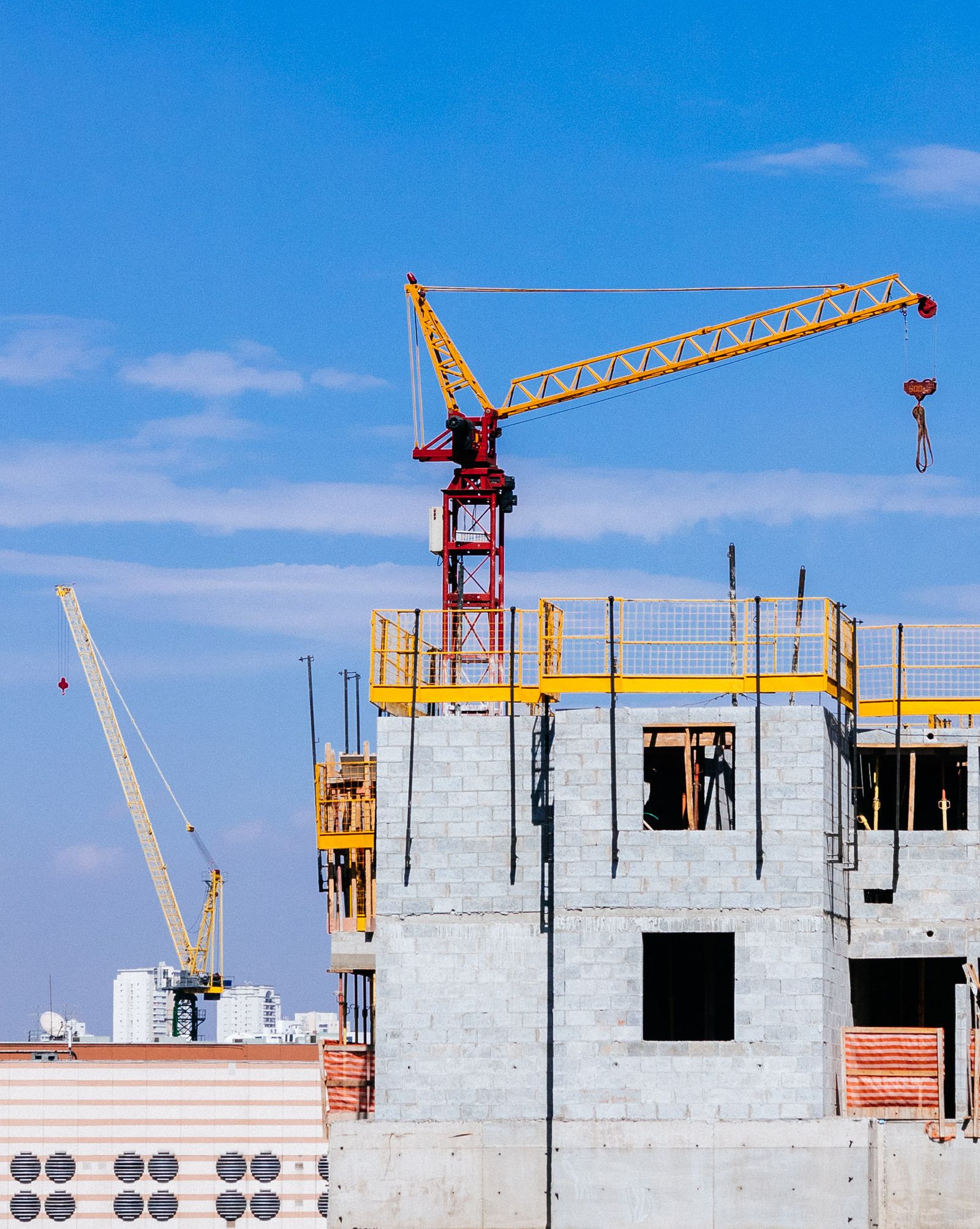
7 Criteria to Consider When Choosing a Tower Crane
Choosing the right tower crane for a high-rise construction project is a critical decision for both job-site safety and the project schedule. A crane with insufficient capacity slows down your workflow, while an oversized crane adds unnecessary cost. In this article, we cover 7 essential criteria to consider when selecting a tower crane for your site.
1. Building Height and Reach Distance
The project's final building height and the furthest reach point within the site boundaries directly determine the required mast and jib length. A tower crane should be sized not just for the current number of floors, but for the height the project will reach on completion.
2. Tip Load and Maximum Capacity
You need to calculate the weight of the heaviest element to be lifted on site (formwork panels, precast elements, concrete buckets, etc.) and whether that element can be lifted at the furthest point on the jib. Tip load capacity is one of the crane's most critical performance indicators.
3. Site Layout Plan
Neighboring buildings, other cranes, and on-site traffic all affect a tower crane's position and slewing radius. On sites where multiple cranes operate, layout planning must prevent interference between cranes.
4. Ground and Foundation Conditions
The load-bearing capacity of the foundation the tower crane will sit on must be determined from a soil survey. An inadequate foundation means both a safety risk and delays to assembly.
5. Wind Load and Climate Conditions
Regional wind data is decisive for the crane's structural design and its maximum working wind-speed limits. This factor becomes even more important in coastal or high-altitude regions.
6. Control and Safety Systems
Safety systems such as automatic load limiting, overload warnings, and wind-speed monitoring should be standard for both operator and site safety. Remote control and camera-assisted visibility systems provide an added advantage on sites with restricted sightlines.
7. Assembly, Maintenance, and After-Sales Support
A tower crane's assembly time, periodic maintenance requirements, and the technical support the supplier provides on site all directly affect long-term operational continuity. We recommend getting a clear installation schedule and maintenance calendar before assembly begins.
At Abray Makina, we evaluate your site's height, capacity, and ground conditions together to recommend the tower crane solution that best fits your project.
Get Tower Crane Consulting for Your Job Site
Share your project details and let's determine the right capacity together.