
What to Consider When Choosing Heavy Equipment for Construction Sites
Finishing a construction project on time and safely depends as much on choosing the right heavy equipment as it does on the right materials and workforce. Equipment that lacks the necessary capacity, or doesn't suit the site, slows the workflow down, while machinery that's oversized or mobilized too early adds unnecessary cost. In this article, we look at the key points to consider when choosing equipment for your site, based on project phase and site conditions.
How Equipment Needs Change Across Project Phases
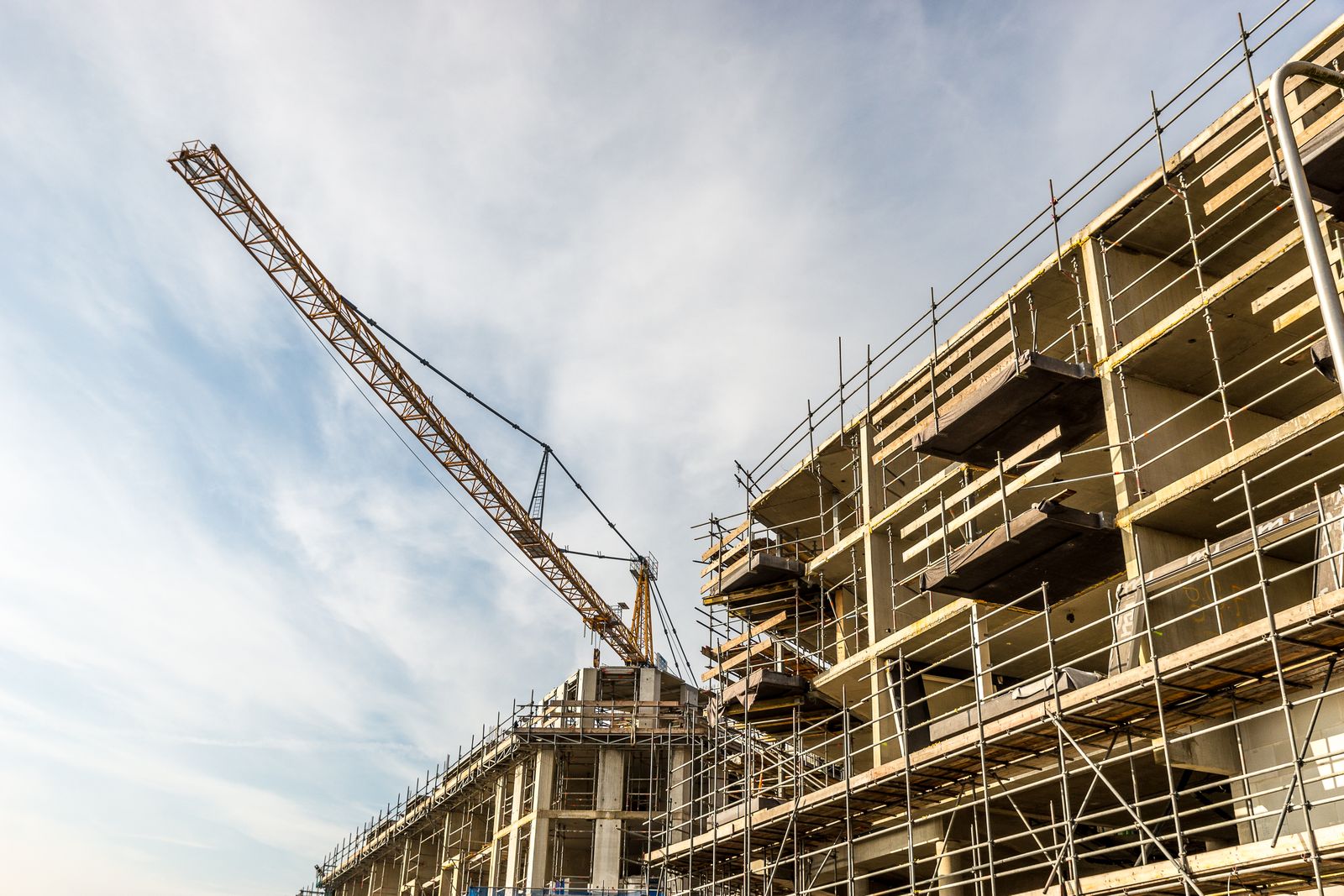
Every construction project moves through distinct phases, each with different equipment requirements. During foundation and excavation work, the priority is moving formwork panels, rebar, and precast elements; mobile cranes are usually preferred here because they can enter and leave the site quickly and perform short lifts at multiple points. Once the structure starts rising, the need shifts to continuous lifting at increasing heights, where a permanently installed tower crane becomes both more efficient and more economical than a mobile crane. During finishing and top-floor work, heavy lifting needs fall off while material logistics and horizontal movement across the site take over — this is where forklifts carry the bulk of the load.
Tower Cranes, Mobile Cranes, and Forklifts: Getting the Combination Right
It's rarely possible to cover every need on a construction project with a single type of equipment. A tower crane keeps a wide working area continuously serviced from a fixed point, while a mobile crane's ability to relocate around the site makes it the go-to choice for targeted, short-duration, or high-capacity lifts. Forklifts complete the picture, moving palletized materials from storage to the site and from one point to another within it. Proper project planning means defining upfront which of these three equipment types is needed in which phase, in what proportion, and how they work together.
Access and Layout Constraints on Urban vs. Open-Area Sites
On urban sites, neighboring buildings, narrow streets, and limited ground space directly affect both a tower crane's jib length and slewing radius and the route a mobile crane needs to reach the site. These conditions usually call for equipment that needs a more compact footprint while still delivering the required lifting capacity. On open-area or rural sites, where access is far less restrictive, larger-capacity mobile cranes and tower cranes with a wider slewing radius can support multiple lifting points at once. Building equipment setup, working, and eventual dismantling areas into the site layout plan from the outset prevents delays later in the project.
How Procurement and Rental Timing Affects the Project Schedule
Tower crane manufacturing and site assembly can require weeks of lead time, while a mobile crane can typically be mobilized to site within days. Ignoring this difference and starting procurement late can bring the workflow to a halt right when the structure begins rising and a crane isn't available. Forklift fleet planning should follow the project's material flow rate; too few forklifts create a bottleneck in on-site logistics, while too many add idle-capacity cost. Building the equipment procurement schedule alongside the project's critical-path planning is the safest approach from both a cost and a schedule standpoint.
Key Criteria for Evaluating Heavy Equipment Choices
Once site conditions and the project schedule are clear, basing the equipment decision on concrete criteria leads to sounder choices:
- The weight of the heaviest element to be lifted, and the maximum height/distance it must reach
- The site's ground-bearing capacity and the equipment's setup footprint
- How intensively the equipment will be used over the project (continuous vs. periodic)
- Potential conflicts with neighboring structures, other cranes, and site traffic
- The supplier's assembly, on-site support, and periodic maintenance capacity
At Abray Makina, our tower crane, mobile crane, and forklift manufacturing lets us offer equipment solutions suited to every phase of a construction project. Share your project timeline and site conditions with us, and we'll help build the equipment plan that fits your needs.
Let's Build the Right Equipment Plan for Your Project
Share your project timeline and site conditions, and we'll help with equipment planning.