
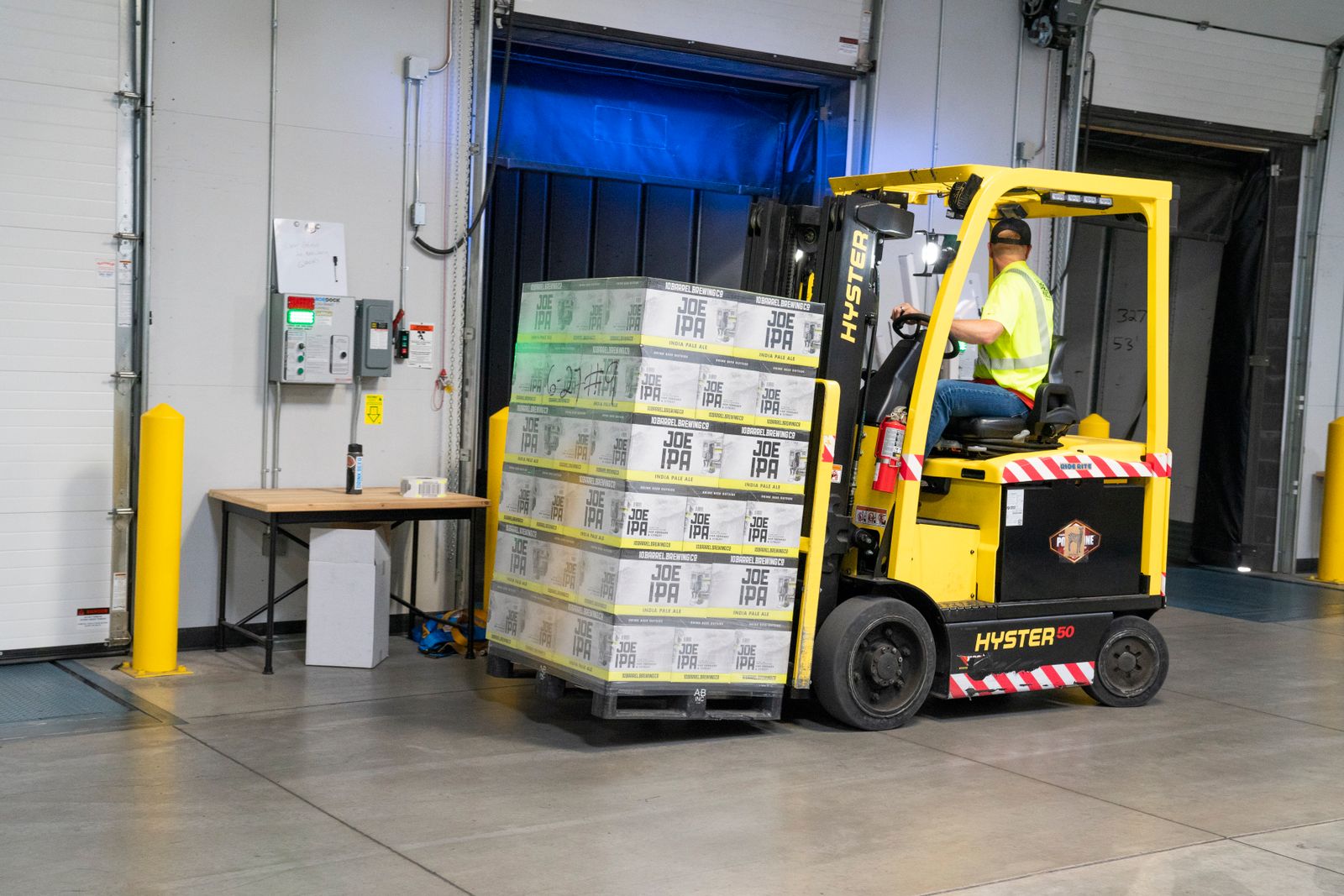
Diesel, LPG, or Electric Forklift: Which Suits Which Site
Choosing the power unit is just as important a decision in forklift procurement as capacity and mast type. Diesel, LPG, and electric forklifts each offer advantages for different site conditions, and the wrong choice leads either to operational constraints or unnecessary running costs. This article compares the three engine types by use case, running cost, maintenance, and regulatory considerations.
Diesel Forklifts: Outdoor Sites and Heavy-Duty Work
Diesel forklifts are the preferred choice for open construction sites, port yards, and rough terrain thanks to their high torque and durability. In heavy-duty operations that involve long-distance hauling and frequent ramp climbs, a diesel engine's sustained power output is a real advantage. Because of exhaust emissions, however, diesel units aren't suitable for enclosed or poorly ventilated spaces — that's where LPG or electric alternatives should be evaluated instead.
LPG Forklifts: Indoor and Outdoor Flexibility
LPG forklifts offer the flexibility to work both indoors and outdoors. Since swapping an LPG cylinder takes only a few minutes, multi-shift operations can run continuously without the downtime a battery charge cycle requires. Lower exhaust emissions compared to diesel make LPG usable in enclosed warehouses with adequate ventilation, though it doesn't reach the zero-emission profile of electric models, which can rule it out for hygiene-sensitive sectors like food and pharmaceuticals. On running cost, LPG typically sits between diesel and electric.
Electric Forklifts: Enclosed Spaces and Low-Emission Requirements
Electric forklifts produce no exhaust emissions during operation and run at a lower noise level, making them the best fit for enclosed warehouses, cold storage, and food or pharmaceutical production facilities where air quality and noise are critical. With no fuel expense and fewer moving parts, long-term maintenance costs are generally lower. On the other hand, battery charge time and the need for spare batteries or fast-charging infrastructure in multi-shift operations need to be planned for at the site level.
Running Cost and Maintenance Comparison
On fuel/energy cost, electric models typically offer the lowest cost per operating hour, while diesel carries the highest fuel expense. On the maintenance side, electric forklifts skip line items like engine oil and fuel filters entirely, narrowing the scope of periodic maintenance; diesel and LPG models still require the standard maintenance associated with an internal combustion engine (oil, filters, injector checks). On upfront investment, the battery pack on electric models can push the initial purchase cost higher.
Criteria for Making the Right Choice
The core criteria to weigh when selecting an engine type are:
- Work environment: enclosed, open-air, or mixed
- Ventilation adequacy and emission sensitivity (food, pharma, enclosed warehouse)
- Number of shifts and continuous-operation requirements
- Terrain roughness and ramp/grade conditions
- Long-term fuel/energy and maintenance budget
At Abray Makina, we help you determine the most efficient solution among diesel, LPG, or electric forklifts based on your work environment and usage intensity.
Let's Determine the Right Engine Type for Your Site
Tell us about your work environment and usage intensity, and we'll recommend the best option.