
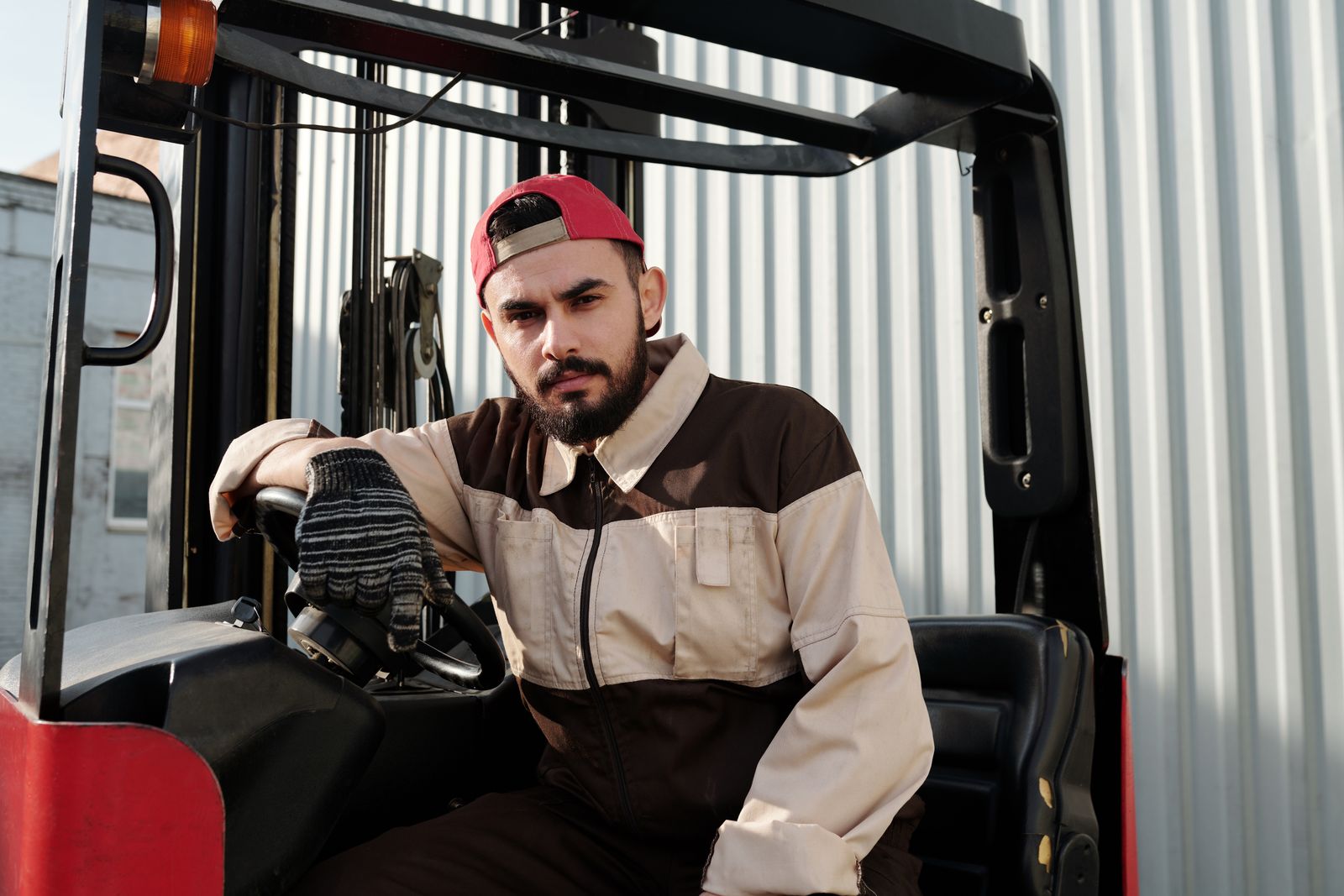
Forklift Operator Safety: Essential Rules and Equipment
The forklift is one of the indispensable pieces of equipment in warehouse and site operations, but used incorrectly it can also cause serious workplace accidents. Safety records consistently show that the majority of forklift-related incidents trace back to operator error or a missed procedure rather than equipment failure. This article covers the essential rules and supporting equipment behind forklift operator safety.
The Pre-Shift Inspection Habit
A short but systematic inspection at the start of every shift prevents many accidents before they happen. Checking brakes, horn, warning lights, the reverse alarm, tire condition, and hydraulic leaks should be routine before the forklift is put into operation. Running this check against a written checklist and signing off on it both reinforces a safety culture and catches developing faults early.
Seatbelt Use and Driving Discipline
Seatbelt use on a forklift is the single most critical safeguard against an operator being thrown from the cab during a tip-over; in the large majority of tip-over incidents, operators without a seatbelt fastened face the highest risk of serious injury. Beyond that, avoiding sudden acceleration and braking, taking corners at a safe speed, and avoiding sharp turns with an elevated load are driving habits that directly reduce tip-over risk.
Pedestrian-Forklift Separation
A significant share of in-warehouse accidents comes from pedestrians and forklifts sharing the same route. Clearly marked pedestrian and vehicle lanes on the floor, mirrors positioned at blind corners, audible and visual warning systems on reverse, and mandatory high-visibility vests for warehouse personnel are the core measures that reduce pedestrian-forklift collision risk. At high-traffic crossing points, signal or traffic-light systems add a further layer of protection.
Load Stacking and Stability Rules
Positioning the load in balance on the forks, carrying the mast slightly tilted back, and making sure the load doesn't block the operator's line of sight are the basic rules for safe stacking. When the load does obstruct visibility, the operator should drive in reverse or use a spotter. When stacking on racking, checking both the rack's rated capacity and the load's stability on the shelf prevents accidents caused by a toppled load.
Operator Certification and Periodic Training
Forklift operation should be backed by formal certified training, not practical experience alone. Certification programs cover core driving technique, load-balance calculations, emergency procedures, and workplace safety rules. Periodic refresher training — especially after an equipment change or an incident — keeps operators current on procedures and measurably lowers accident rates.
Essential Safety Checklist
- Pre-shift check of brakes, horn, and hydraulic leaks
- Seatbelt use verified on every trip
- Pedestrian lanes clearly marked
- Stability and capacity check before stacking on high racking
- Valid operator certification and periodic refresher training
At Abray Makina, we pay close attention to the correct placement of safety equipment on every forklift we manufacture, and we offer our customers safety and efficiency recommendations tailored to their site conditions.
Let's Assess the Safety of Your Forklift Fleet
Share your site conditions, and we'll offer our safety and efficiency recommendations.