
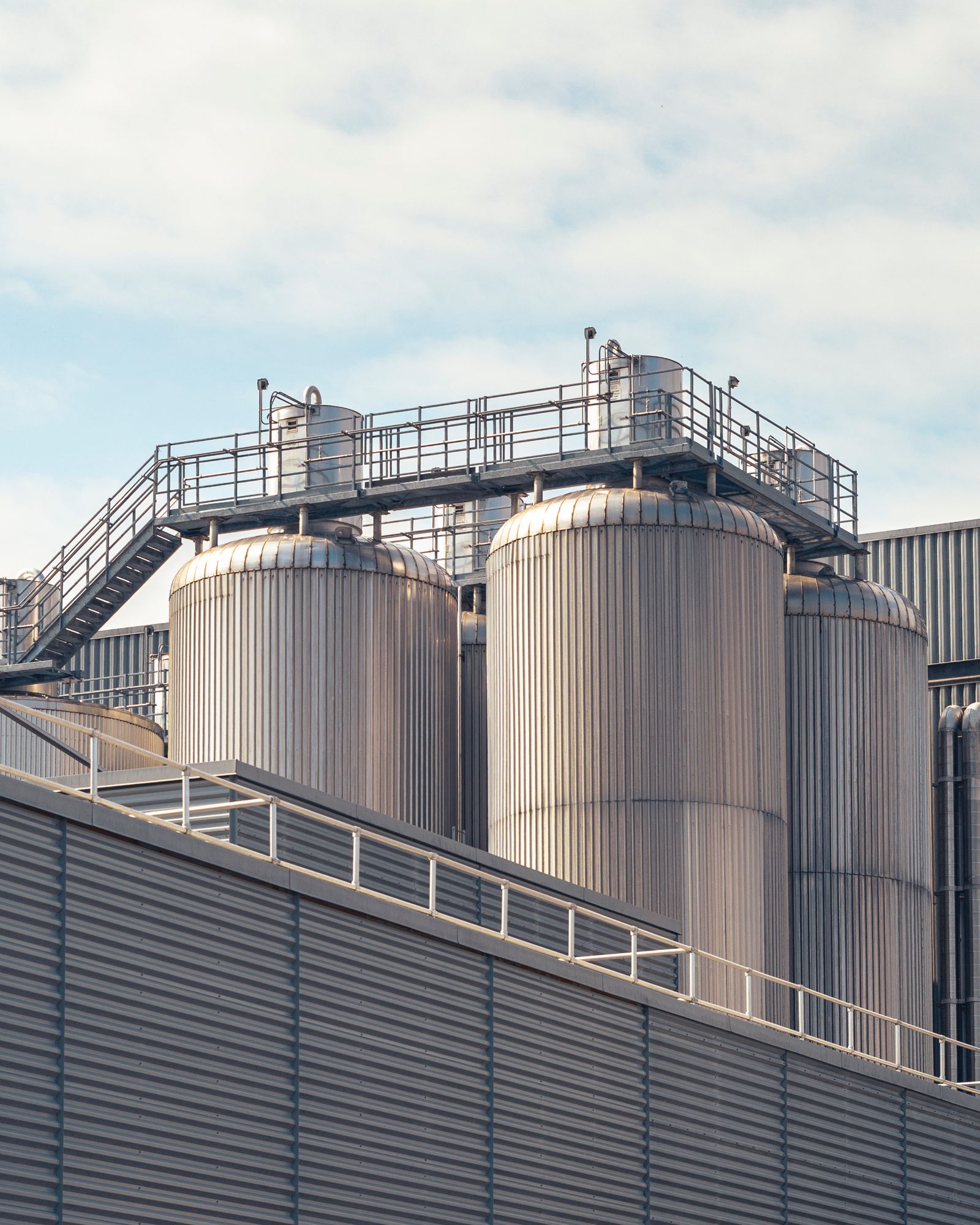
Surface Treatment Processes in Iron and Steel Plants
In iron and steel production and processing plants, the mill scale and rust that form on the surface after rolling or cutting directly affect the quality of every downstream production step. When surface preparation isn't set up effectively, problems can surface anywhere from coating adhesion to weld quality. In this article, we look at how surface treatment processes should be planned in steel plants.
How Mill Scale and Rust Affect Downstream Processes
The mill scale layer that forms on steel after hot rolling prevents paint or coating from fully adhering to the surface; over time it can trap moisture underneath and lead to premature corrosion. A surface that isn't adequately cleaned before welding carries a risk of porosity and reduced strength in the weld seam. For this reason, surface preparation shouldn't be treated as a separate stage of the steel production line, but as a direct component of product quality.
Moving from Batch Systems to Continuous Lines at High Production Volumes
At low and medium production volumes, drum-type or cabin-type batch blasting systems can deliver sufficient efficiency. But at steel plants running continuous, high-tonnage production, batch systems that process parts one at a time or in small groups quickly become a bottleneck. At this scale, continuous-type blasting lines — where sheet or profile stock passes through uninterrupted — both increase the surface area processed per unit of time and reduce the need for intermediate stock by staying synchronized with the production flow.
Integrating Blasting and Painting Lines
The window between a cleaned steel surface and the application of primer or final coating is critical for corrosion resistance. Running blasting and painting as independent processes, at separate stations with long waiting periods in between, increases the risk that the cleaned surface will re-oxidize from ambient humidity. An integrated system layout, where the blasting line feeds directly into the painting or priming line, both protects surface quality and shortens total production time.
Filtration and Emission Control Under Heavy Metal Dust Loads
The dust load generated on steel-plant blasting lines is markedly higher than in most other sectors; abrasive media dust and metal particles thrown off the surface enter the air at the same time. A dust profile at this intensity needs to be handled by filtration systems with higher airflow capacity and less frequent maintenance than standard filtration setups. Inadequate filtration capacity both raises occupational health and safety risks and can push emissions past environmental limits.
Key points to evaluate when planning a blasting line for a high-capacity steel plant:
- Accurately calculating the daily/monthly tonnage of sheet and profile stock to be processed
- Determining whether the line will run continuously or periodically
- How the blasting line's output will integrate with the painting/priming line
- Filtration capacity and emission control systems matched to the dust load
At Abray Makina, we design continuous-type blasting lines, integrated painting systems, and high-capacity dust filtration solutions matched to a steel plant's production volume. Share your facility's production profile with us, and we'll help determine the line configuration that fits your needs.
Let's Talk About a High-Capacity Line Solution
Share your production volume, and we'll design the right blasting line for your facility together.